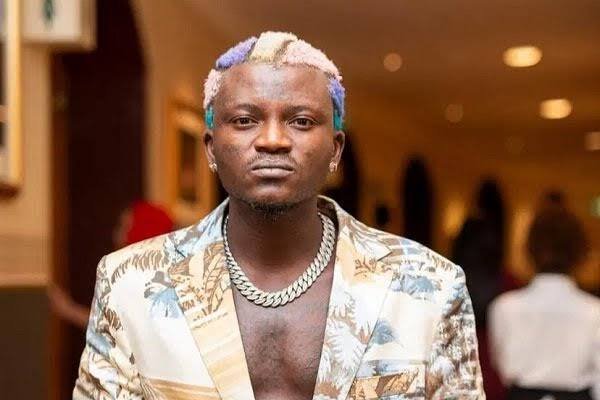
Nigerian street-pop singer Habeeb Okikiola, popularly known as Portable, has reignited debate about money and political endorsements after saying he was paid to support President Bola Tinubu and participate in APC rallies.
In a video circulating online on October 6, 2026, Portable said he had previously been broke but had now received money to support the president. He said the money would also allow him to “show love to the street” while declaring that he was fully behind Tinubu.
Portable Makes His Position Clear
The Portable’s claim has attracted attention because the singer did not present his support simply as a political conviction.
Instead, he directly connected his involvement to payment, describing the money as something that changed his ability to support people around him. The amount he allegedly received and the specific APC organisation that paid him have not been publicly established. There has also been no official confirmation from the APC of the payment.
That distinction matters because Portable is making the claim himself, rather than providing independent evidence of a payment.
This Is Not Portable’s First Political Payment Claim
The latest comments also fit a longer pattern. In July 2022, Portable said he had been paid to endorse then-presidential candidate Tinubu, while also claiming that he had previously been paid to criticise Tinubu during the #EndSARS period. At the time, he argued that if someone paid him to do political work, he would do the job.
In March 2026, he again claimed he had been contacted to campaign for Tinubu and said he had received APC clothing. The APC did not officially confirm those claims at the time.
Why the Admission Matters Ahead of 2027
Portable’s comments arrive as political mobilisation for the 2027 election becomes more active.
The APC has already been organising grassroots movements and rallies aimed at building support for Tinubu’s re-election, including recent mobilisation programmes in the North Central and other parts of the country.
That makes celebrities with large youth and street audiences potentially valuable campaign tools.
The bigger debate, however, is whether audiences understand when a celebrity is expressing a genuine political opinion and when they are performing a paid campaign role.
Where Money Meets Political Influence
Celebrity endorsements are not unusual in Nigerian politics, but Portable’s blunt explanation puts the commercial side of political promotion directly into public view.
For supporters, his honesty may simply be seen as an entertainer being open about paid work. Critics, however, argue that political influence becomes more complicated when public figures can turn their popularity into campaign services without clearly separating personal beliefs from paid endorsements.
As the 2027 election draws closer, Portable’s comments may become part of a wider conversation about how political parties use celebrities, influencers and entertainment culture to reach voters.
For now, the singer says he has been paid, he has chosen to support Tinubu, and he intends to use his improved finances to give back to the street. The unanswered question is how much of that support is politics, how much is business, and whether voters can always tell the difference.