Nigeria’s economy is showing stronger signs of recovery, with the World Bank raising its Nigeria economic growth forecast for 2026 to 4.3% and private-sector business activity reaching its highest level in more than four years.
The World Bank’s October 2026 Africa Economic Update projects that Nigeria’s economy will grow by 4.3% this year, up from an estimated 4.0% in 2025. Growth is expected to rise further to 4.4% annually in 2027 and 2028, supported by improving economic stability, stronger investor confidence and a gradual recovery in private investment.
But the figures tell only part of the story. The bigger test is whether stronger economic activity will translate into better incomes, more jobs and lower pressure on households.
Nigeria returns to Africa’s top spot for business activity
The Nigeria Purchasing Managers’ Index in September 2026 showed a strong increase in private-sector activity. BusinessDay’s analysis of S&P Global data put Nigeria’s PMI at 56.4 in September, up from 54.3 in August. It was the highest reading since February 2022 and placed Nigeria ahead of the other African economies included in the comparison.
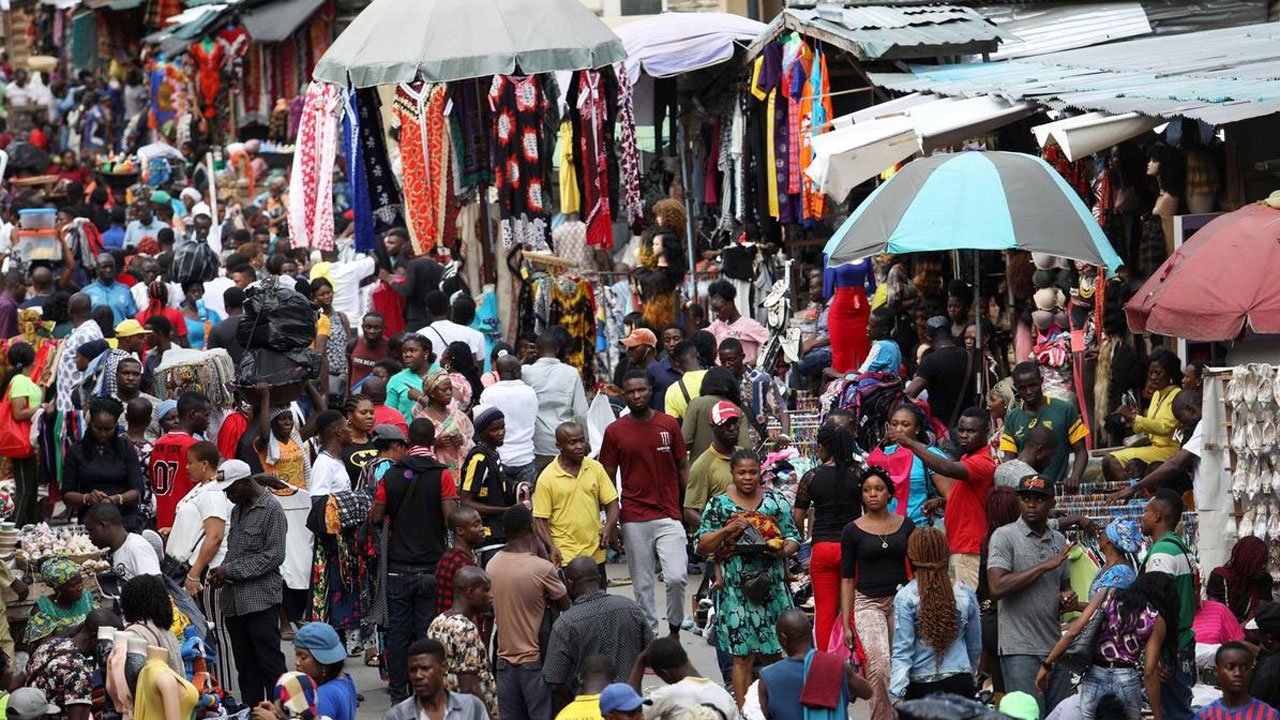
A PMI reading above 50 indicates that business conditions are improving. The September result reflected stronger customer demand, more new orders and increased output across agriculture, manufacturing, wholesale and retail, and services.
Businesses also increased purchasing activity and inventories in preparation for continued demand. However, employment growth remained modest, with some firms relying on temporary workers to handle additional workloads.
Higher costs remain a challenge for businesses
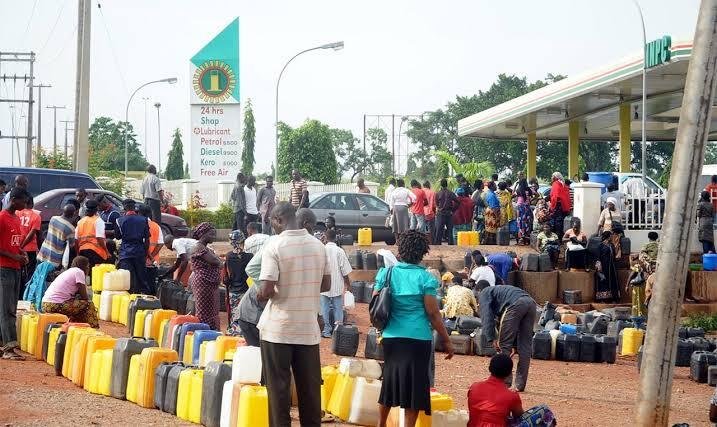
Despite the improvement, Nigeria’s private-sector growth in 2026 is not happening without pressure. Businesses reported higher costs for fuel, transportation, raw materials, food products and staff. Some companies passed part of these expenses on to customers, pushing selling-price inflation to a three-month high in September.
This means rising demand does not necessarily translate into higher profits or cheaper products. Companies may be receiving more orders while spending more to produce and deliver goods.
For small businesses in particular, managing cash flow and operating expenses will remain important as activity increases.
World Bank warns that growth must reach households
The World Bank’s improved Nigeria economic growth forecast for 2026 comes with a warning about the durability of the recovery. It has cautioned that increased government spending ahead of the 2027 elections could weaken fiscal discipline and put pressure on the reforms that have supported recent gains.
The Bank also stressed that stronger economic growth across Africa has not yet translated into enough jobs or significant poverty reduction. It expects per-capita income growth across Sub-Saharan Africa to remain much slower than overall economic growth.
For Nigeria, the next phase will depend on sustaining investment, improving productivity and creating jobs that pay enough to improve living standards.
What to watch in the coming months
The latest figures suggest that Nigeria’s economy has gained momentum, but the recovery is not yet a guarantee of broad household relief.
The next indicators to watch include inflation, employment, industrial output, private investment and whether businesses can maintain growth without passing every increase in operating costs to consumers.
Nigeria’s return to the top of the African PMI comparison is encouraging. The real measure of success, however, will be whether that momentum produces more stable businesses, stronger incomes and a noticeable improvement in everyday life.